Facing a 4/4 Pullout Sand Stuck Situation: What Every Driver Should Know
Why Sand Can Trap Even the Most Experienced Drivers
Driving in Dubai's desert terrain is a unique experience. The sand is soft, the dunes are unpredictable, and even a short detour off the main road can turn into a frustrating situation. I have spent years working in vehicle recovery across the UAE, and one of the most common calls we receive involves vehicles stuck in sand after a failed attempt to pull out. The term "4/4 pullout sand stuck" describes exactly what happens when a four-by-four tries to reverse or drive out of a sandy patch but ends up more deeply embedded. It is a scenario that tests both the driver's patience and the vehicle's capabilities.
Many drivers assume that owning a four-wheel drive makes them immune to getting stuck. That is not true. The weight of the vehicle, the angle of the approach, and the type of sand all play a role. In my experience, the most common mistake is over-accelerating when the wheels start to spin. That only digs the vehicle deeper, turning a minor delay into a full recovery job. This is where professional help becomes essential, and understanding the mechanics of a 4/4 pullout sand stuck situation can save you time and money.
I remember a call last winter. A family in a large SUV had driven onto a soft patch near Al Qudra Lakes. They tried to reverse out, but the rear wheels just sank. By the time I arrived, the chassis was resting on the sand. That is a classic 4/4 pullout sand stuck case - the driver attempted a pullout, but the sand gave way under the tires. The recovery took about forty minutes, using a combination of air-down techniques and a winch. The key lesson here is that the sand does not care about your vehicle's brand or price tag.
What Makes a 4/4 Pullout Sand Stuck Different?
Not all stuck vehicles are the same. A car stuck on a road after a puncture is one thing, but a 4/4 pullout sand stuck scenario involves specific dynamics. The vehicle is usually in motion when it gets trapped, often while trying to change direction or reverse. The momentum works against the driver because the sand shifts under the tires, creating a pocket. The deeper the tire sinks, the more resistance it faces, and the harder it becomes to move forward or backward.

From a technical standpoint, the problem is often about traction. Four-wheel drive gives you power to all wheels, but if the tires are not gripping the sand, that power is wasted. Spinning tires generate heat, which melts the sand into a glass-like surface that is even more slippery. That is why experienced off-roaders know to reduce tire pressure before entering soft sand. Lower pressure increases the tire's surface area, helping it float rather than dig. But if you are already stuck, adding air is not an option; you need external help.
The Role of Recovery Services
When you find yourself in a 4/4 pullout sand stuck situation, calling a professional recovery service is the smartest move. Trying to dig yourself out with a shovel or asking strangers for a push can work sometimes, but it often leads to more damage. The vehicle's undercarriage can get scratched, the suspension can twist, and the sand can get into places it should not be. A trained recovery operator knows how to approach the vehicle without causing further harm.
Car Recovery Dubai offers exactly this kind of assistance. Their team has experience with all types of vehicles, from small sedans to large trucks. They carry equipment like tow ropes, winches, and air compressors designed for sandy conditions. In a 4/4 pullout sand stuck situation, they first assess how deep the vehicle is and what angle it sits at. Then they choose the right method - sometimes a gentle pull from the front, sometimes a winch from the rear. The goal is to free the vehicle without stressing its frame or damaging the tires.
I have worked alongside recovery crews in similar conditions, and I can say that the difference between a good recovery and a bad one often comes down to patience. A hurried pull can snap a tow strap or break a tie rod. A careful, steady pull, with the driver steering in sync with the recovery vehicle, usually works best. That is why professional services are worth the call.
Practical Steps to Avoid Getting Stuck in the First Place
Prevention is always better than recovery. If you plan to drive on sand, there are a few things you should do before you even leave the pavement. First, check your tire pressure. Drop it to around 15-18 PSI for sand driving. That alone can prevent a 4/4 pullout sand stuck incident. Second, carry a recovery board or a piece of carpet. Placing it under a spinning tire can give it enough grip to move. Third, avoid sudden turns or sharp stops. Sand is fluid, and any abrupt movement can cause the vehicle to slide sideways, which is hard to correct.
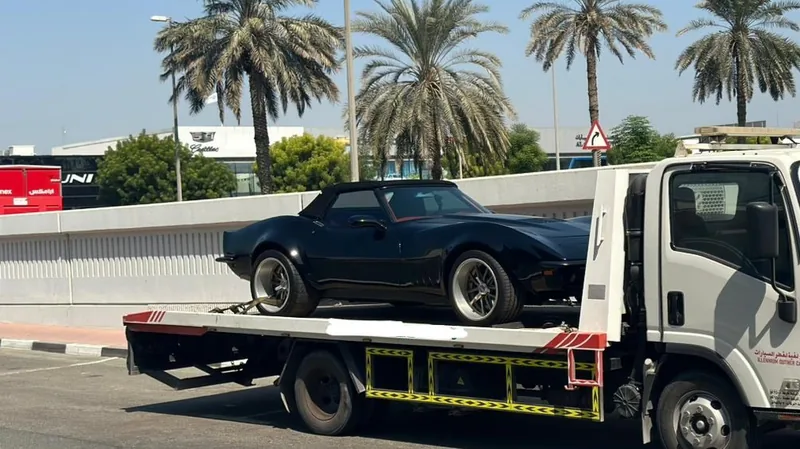
Another tip I always share is to drive with a companion. If you get stuck, having another vehicle nearby can mean a quick tow rather than a long wait for a recovery truck. But even then, you need to know how to attach a tow rope safely. Never attach it to a bumper or a flimsy hook. Use the proper recovery points on your vehicle's chassis. A bad attachment can turn a simple pull into a dangerous projectile situation.
What Happens During a Professional Recovery?
If you do end up needing help, understanding the process can reduce stress. A recovery technician will first check the ground around your vehicle. They look for hidden rocks, soft patches, or slopes that could complicate the pull. Then they position their truck for the best angle. In a 4/4 pullout sand stuck scenario, the recovery vehicle often needs to be on firm ground to avoid getting stuck itself. That sometimes means the driver has to walk a bit to reach the tow point.
The technician will attach a tow strap or winch cable to your vehicle's recovery point. They will communicate with you through hand signals or a radio. You will be asked to steer gently and avoid braking hard. The pull starts slow, then increases steadily. Once the vehicle is free, the technician will check for any damage and advise you on next steps. Some services even help you air up your tires if you have a compressor. It is a smooth process when handled by experts.
Car Recovery Dubai 4/4 pullout sand stuck calls are routine for their team. They have seen every variation - from a dune buggy stuck on a crest to a heavy truck bogged down in wet sand near the coast. Their response time is usually under an hour, and they operate 24/7. That kind of reliability matters when you are stranded in the dark with a car full of people.
Final Thoughts on Sand Driving and Recovery
Driving on sand is a skill that improves with experience, but even seasoned off-roaders get stuck sometimes. The important thing is to stay calm, avoid making the situation worse, and call for help when you need it. A 4/4 pullout sand stuck situation is not a sign of bad driving - it is a normal part of off-road driving. The sand does not discriminate. What matters is how you handle it.

I have seen drivers try to free themselves for hours, only to end up with a broken axle or a dead battery. Meanwhile, a professional recovery takes less than an hour and costs a fraction of the repair bill. Car Recovery Dubai provides that service with expertise and care. They understand the terrain and the vehicles that travel on it. If you ever find yourself in a bind, do not hesitate to reach out. It is better to be safe than to risk damaging your vehicle further.
In summary, knowing the basics of sand recovery can save you a lot of trouble. Reduce tire pressure, carry basic recovery gear, and drive smoothly. And if you do get stuck, remember that professional help is just a phone call away. Car Recovery Dubai 4/4 pullout sand stuck calls are something they handle every day, and they do it well. Stay safe out there.